Empowering Cancer Patients: The Ultimate Guide to Therapies, Support, and Survivorship
Navigating the journey through cancer can feel like sailing in uncharted waters. As a cancer patient, every day can bring new challenges and uncertainties, making it imperative to arm yourself with comprehensive knowledge about cancer therapies and available support options. The world of oncology is evolving rapidly, with groundbreaking news and discoveries shaping the landscape of cancer care. In this guide, we will explore vital cancer therapies, uncover patient resources, and highlight the essential support systems that can empower you on your road to survivorship.
When it comes to cancer, understanding the different therapies is key. From chemotherapy and radiation therapy to immunotherapy and palliative care, each treatment option brings its own benefits and challenges. For instance, chemotherapy has long been a cornerstone of cancer treatment, effectively targeting malignant conditions, but it can also present significant side effects. On the other hand, immunotherapy harnesses the body’s immune system to combat tumors with a more targeted approach—often with fewer side effects. So, which therapy is right for you? It’s crucial to discuss all options with your healthcare team, as personalized treatment plans can enhance outcomes and champion survivorship.
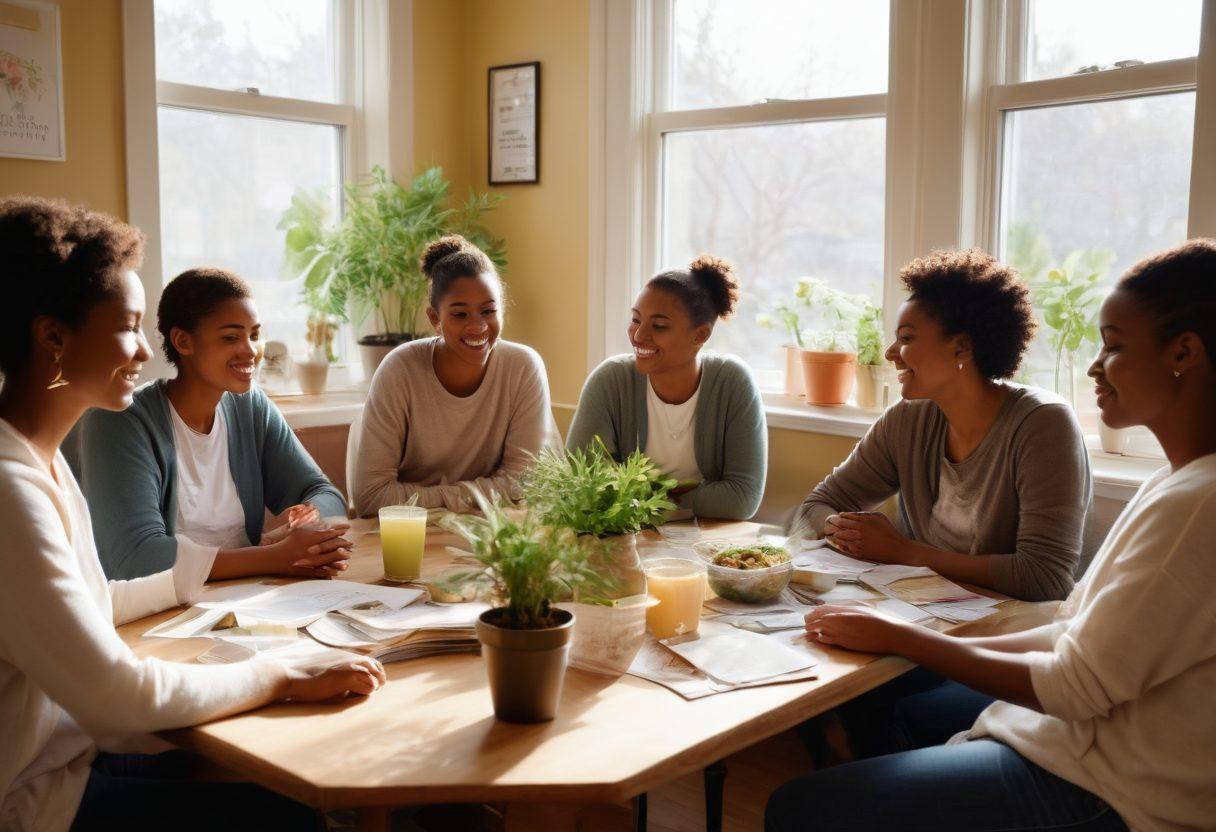
However, cancer care isn't solely about medical treatments. Health awareness and patient advocacy play critical roles in ensuring that individuals have access to the resources they need. Organizations dedicated to cancer education can provide valuable information on early detection, screening, and coping strategies. Many cancer types today are being studied in clinical trials, offering patients the chance to benefit from cutting-edge therapies that are not yet widely available. Have you explored these avenues? Engaging with cancer organizations can connect you with support groups where you can share experiences, find emotional support, and learn from others facing similar challenges.
In addition to traditional and innovative cancer therapies, lifestyle changes can serve as powerful allies in your health journey. Research indicates that diet and cancer are interlinked; adopting healthy eating habits can ease treatment-related side effects and promote overall well-being. Consider incorporating more fruits, vegetables, and whole grains into your meals, and don’t forget about staying active—even light exercises like walking can improve your physical and mental health. What small change can you make today to embark on this journey towards wellness?
Finally, remember that you're not alone. The cancer community is a robust network of individuals sharing their stories, triumphs, and setbacks. It’s a place where everyone understands the rollercoaster of emotions that comes with a cancer diagnosis. Whether you’re exploring alternative medicine or considering integration with conventional therapies, the most important thing is to remain proactive and engaged in your care. By seeking information, building a supportive community, and advocating for your needs, you can take ownership of your journey through the complexities of cancer. So, how will you navigate your path towards hope and healing?
Empowerment Through Education: Essential Resources and Strategies for Survivorship
In the realm of cancer care, knowledge isn’t just power; it’s a lifeline. Empowering cancer patients through education can transform daunting diagnoses into manageable journeys. Imagine learning about your tumor, understanding the malignant conditions it presents, and feeling equipped to make choices about your health. This blog post examines essential resources and strategies that can elevate your experience from mere survival to thriving during and after treatment. After all, as the saying goes, "An ounce of prevention is worth a pound of cure," and that holds especially true for cancer patients navigating their path to survivorship.
When we talk about cancer education, we aren’t just discussing understanding your diagnosis; we’re also delving into the myriad of treatment options available, including chemotherapy, radiation therapy, and immunotherapy. By staying up-to-date with oncology news, patients can become their own best advocates. Have you ever found yourself glued to cancer statistics or exploring clinical trials? Each bit of information empowers you to engage in conversations with your doctors, ask pivotal questions, and make informed choices about your care. Seeking timely cancer care and mastering the art of inquiry can change the game.
Navigating survivorship means focusing not just on medical facts, but on a well-rounded approach to health awareness. Think about this: how do lifestyle changes such as diet and cancer intertwined with your unique situation? Tailoring your nutrition can significantly influence your resilience during treatments. For instance, did you know that certain foods can strengthen your immune system and aid recovery? Alongside healthy eating practices, incorporating mental health and cancer conversations into your routine fosters emotional wellness. Have you considered joining a support group to share your journey and coping strategies with others?
As essential as physical health is, emotional and psychological support remains equally vital in the cancer community. Every cancer patient deserves access to patient resources that can provide guidance on palliative care and alternative medicine. When dealing with the difficult aspects of a diagnosis, such as the looming specters of treatment-related side effects, the necessity of support can’t be overstated. Moreover, peer support encourages patients to discuss fears and triumphs—the very act of sharing can be healing. What strategies do you employ to cope when things get overwhelming?
Lastly, survivorship is not just about surviving cancer but also redefining life post-treatment. Whether through attending workshops offered by cancer organizations, participating in health fairs, or engaging in lifestyle changes that enhance your quality of life, the journey continues. Remember that early detection and regular screening are critical components of remaining proactive. The road may be rocky, but knowledge lays down the pathway of hope and empowerment. What is one thing you would change about your journey in handling a cancer diagnosis if you could? This journey is one to navigate together, and you are not alone in this fight.
From Diagnosis to Recovery: Embracing Support Groups and Lifestyle Changes in Cancer Care
The journey through cancer care is one filled with a myriad of emotions, challenges, and decisions. From the moment a diagnosis is made, patients often feel overwhelmed, straddling the barbed wire of uncertainty and fear. However, knowing that there are support systems and lifestyle changes that can significantly ease this journey can be a beacon of hope. Embracing support groups and considering lifestyle modifications not only empowers cancer patients but also promotes health awareness that is essential for effective healing. As famed author Maya Angelou once said, 'I can be changed by what happens to me. But I refuse to be reduced by it.'
Patient resources are vital tools for cancer patients navigating this often tumultuous path. With cancer statistics indicating that approximately 1 in 3 people will receive a cancer diagnosis at some point in their lifetime, the demand for effective cancer education has never been higher. Joining support groups provides not only a network of fellow travelers on similar journeys but a sense of belonging that can significantly improve mental health. In these groups, sharing stories of resilience in the face of malignant conditions fosters camaraderie and shared coping strategies. What better way to tackle the loneliness of cancer than to connect with others who truly understand?
Participation in support groups leads to a greater understanding of one’s own treatment options, which may include cancer therapies such as chemotherapy, radiation therapy, immunotherapy, and palliative care. Discussions within these groups can open the door to shared experiences with clinical trials or alternative medicine that individuals might not have considered otherwise. When you hear that someone has overcome a tumor or tackled a trial with bravery, it ignites hope. Dreams of survivorship start to feel tangible, further emphasizing the importance of early detection and screening.
In addition to the emotional support, adopting lifestyle changes plays a significant role in cancer care. The dialogue surrounding diet and cancer is vital—are you consuming foods that support your health or those that hinder it? The power of nutrition and exercise can’t be stressed enough. Simple diet modifications can make a big difference in how your body responds to cancer therapies. Engaging in healthy habits not only bolsters physical strength but also enhances mental resilience throughout the treatment process, allowing cancer patients to reclaim their autonomy, even in the face of adversity.
Ultimately, navigating the vast landscape of cancer care is about forging connections—be it through patient advocacy or engaging with cancer organizations in your community. The path might seem daunting, but knowing there is support from groups focused on health awareness and education can make a difference. So, ask yourself: What small steps can you take today toward embracing a community or altering a lifestyle choice for a better tomorrow? Remember, in cancer care, every little bit counts, and together, we can foster a culture of hope and healing.